How can digital technologies help olive growers detect pest threats earlier and make better decisions in the field?
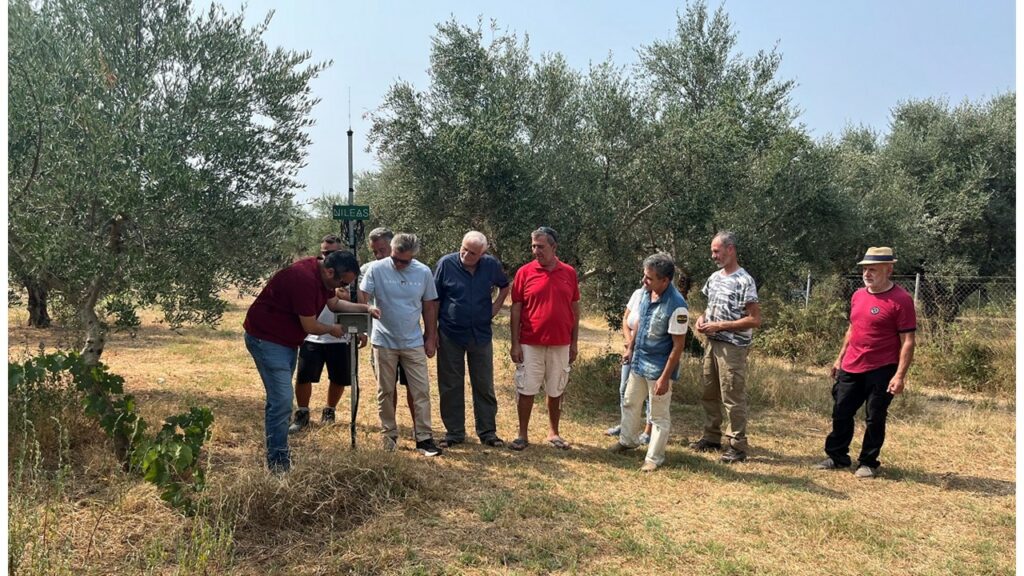
This question was at the heart of a field demonstration organised by NILEAS, as part of the AgriDataValue project, specifically Use Case 3.4, which focuses on olive fruit fly control.
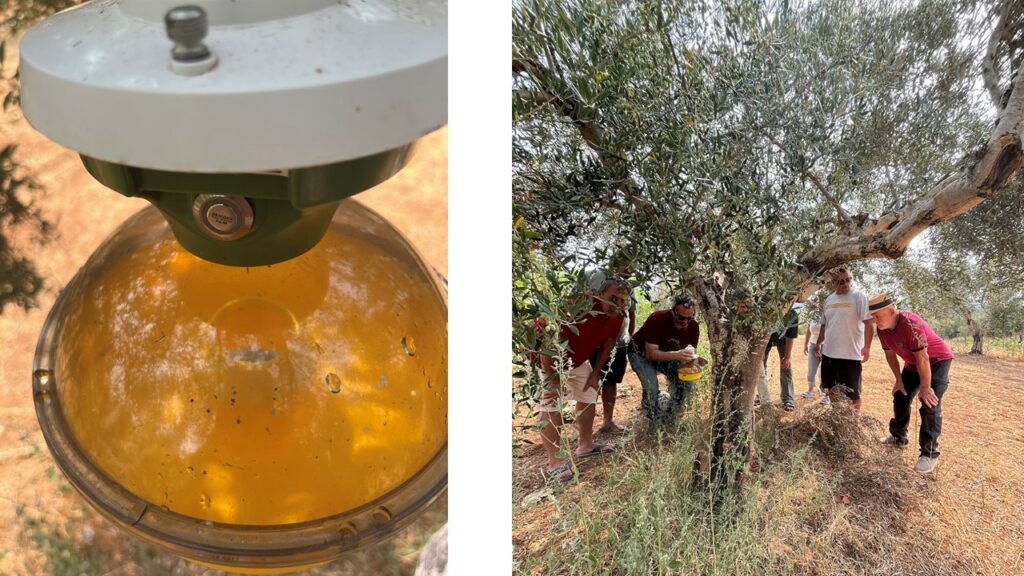
The event showcased the use of digital olive fruit fly traps and environmental sensors as complementary technologies for improving pest monitoring and supporting more effective management of the olive fruit fly (Bactrocera oleae), one of the most significant threats to Mediterranean olive production.
Digital traps enable the monitoring of olive fruit fly populations, providing valuable information on pest activity and helping growers identify potential risks at an early stage. At the same time, environmental sensors collect data on conditions such as temperature and humidity, which can influence pest development and activity. By combining pest monitoring data with environmental information, these technologies can provide a more comprehensive understanding of conditions within the olive grove, supporting timely, targeted, and evidence-based pest management decisions.
Beyond the technological demonstration, the field event provided an opportunity to explore the practical application of these tools in everyday olive farming and discuss their potential to improve pest management efficiency while reducing unnecessary pesticide applications. The combination of digital traps, environmental sensors, and farmers’ practical knowledge represents an important step towards smarter and more sustainable olive production. Furthermore, the field event highlighted how digital technologies can transform pest monitoring into actionable knowledge, helping farmers protect their crops while making more efficient use of agricultural resources.