We are pleased to announce the release of our third AgriDataValue newsletter, featuring the latest news and updates from the project.
Read the newsletter here.
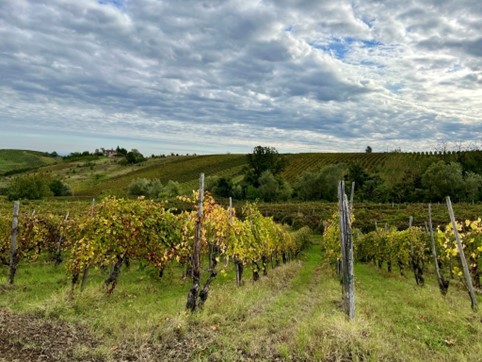
The AgriDataValue project’s Use Case 5.2, “Supply Chain transparency for orchards/vineyards,” focuses on enhancing both on-farm and post-farm activities. This use case models technical and business aspects of harvesting, fruit processing, and wine production, all while integrating supply chain traceability and data business models. A recent study by Adamashvili et al. (2024) highlights how cutting-edge technologies like the Internet of Things (IoT), Artificial Intelligence (AI), and Blockchain Technology (BCT) are key to achieving these goals, particularly within vineyard supply chains.
IoT sensors are revolutionizing vineyard management by continuously monitoring environmental conditions like temperature, soil moisture, and humidity, providing real-time data that allows farmers to optimize processes such as irrigation and fertilization. When paired with AI, this data becomes even more valuable, as AI can analyze patterns and provide predictions that help growers make informed decisions regarding disease management and yield optimization, ultimately improving both quality and sustainability.
Blockchain technology plays a crucial role in ensuring supply chain transparency. In the context of vineyards and wine production, blockchain creates a secure and immutable record of every stage, from grape harvesting to the finished bottle. This increases consumer trust by ensuring the authenticity of the product while protecting producers from fraud and counterfeit issues. The ability to trace the origin and quality of wine in such a precise manner reflects the goals of the AgriDataValue project, aiming to model not just the production process but also the value of transparent and ethical data handling.
The combination of these technologies results in a more sustainable, efficient, and trustworthy wine supply chain. For vineyards involved in the AgriDataValue project, this technological integration represents a leap toward more resilient farming and transparent business models, with broader implications for other agricultural sectors. By embracing this model, the project sets a benchmark for how IoT, AI, and blockchain can transform agri-food supply chains in the future.
For further insights, the full study can be accessed here.
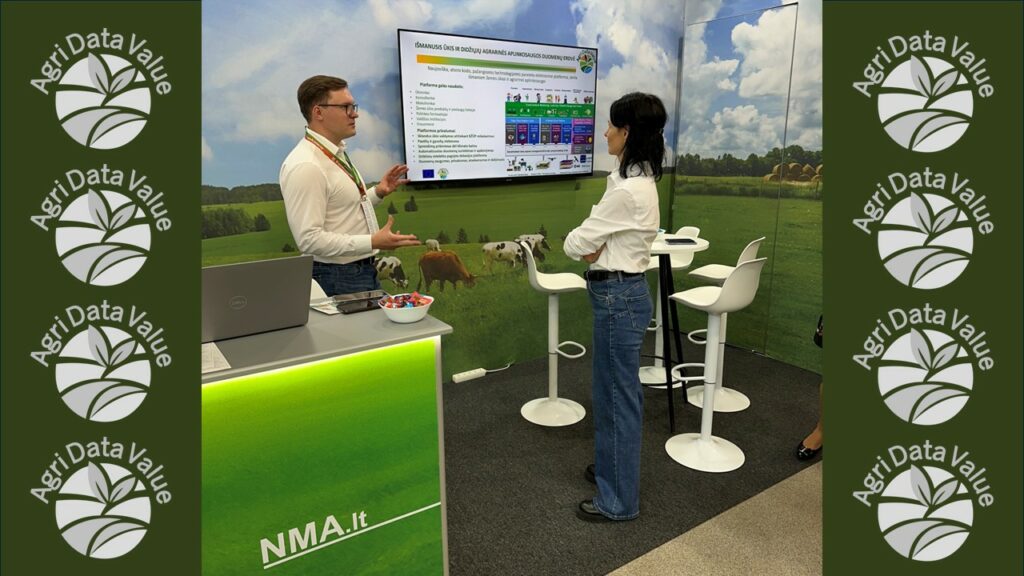
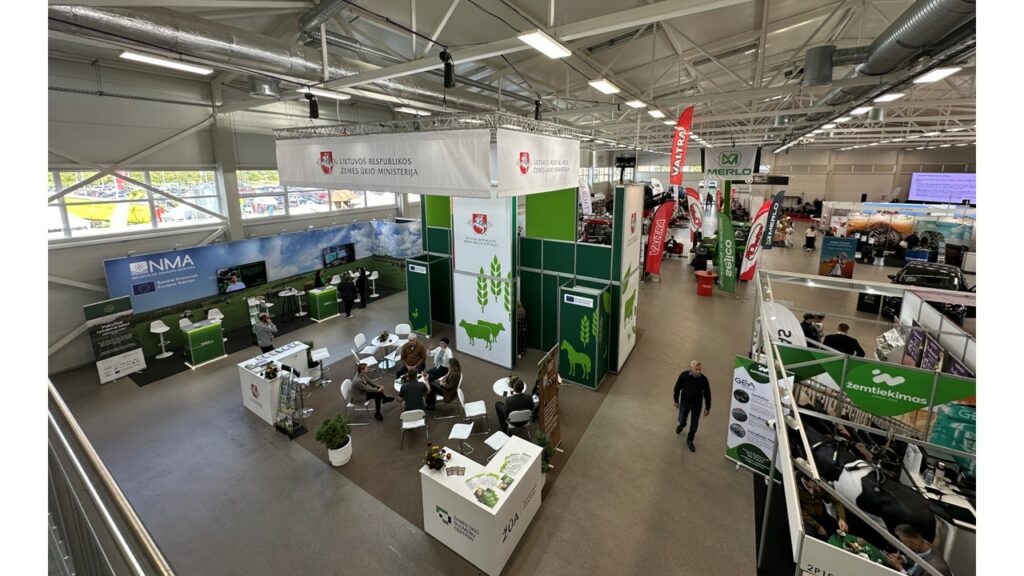
A specialised exhibition “Animal Husbandry 2024” targeted at those interested in progress and innovation in the livestock sector, was organised by the Business and Social Partnership Centre of the Agricultural Academy of the Vytautas Magnus University near Kaunas on 25-27 September 2024.
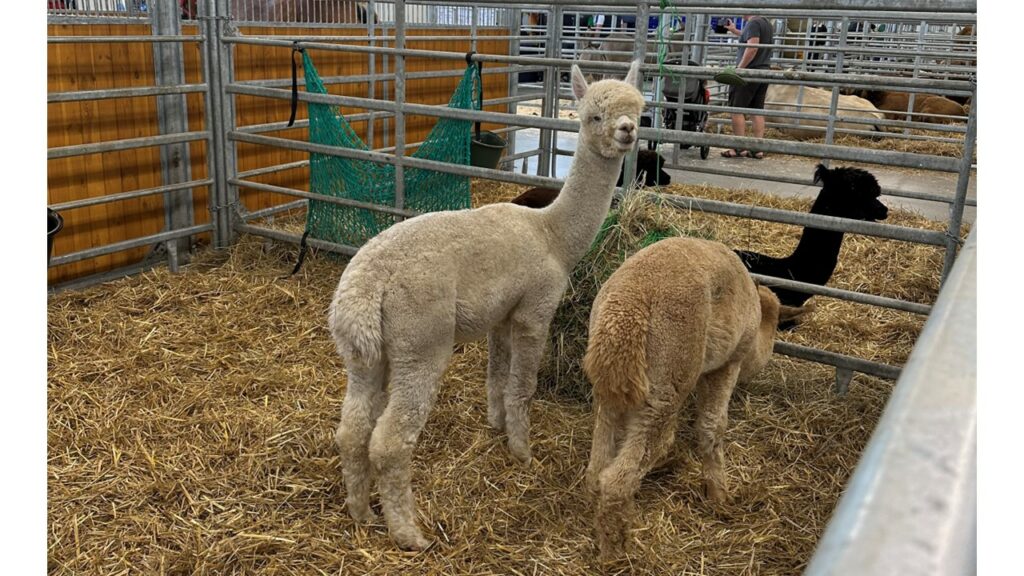
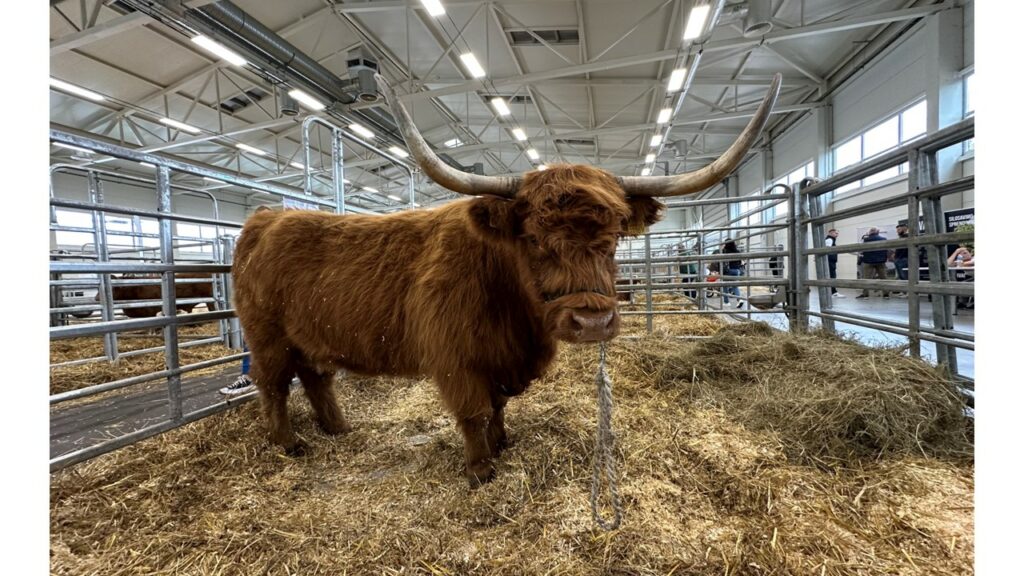
Various breeds of dairy and meat cattle, horses, sheep, goats, poultry and other farm animals, as well as innovative processing equipment and other modern technologies for husbandry farms fodder preparation and loader equipment, fodder dispensers, milking and manure handling devices, livestock and poultry feed additives, microbiological products and various services for livestock farms. Educational and practical sessions as well as workshops were organised during the exhibition, aimed at deepening the knowledge of participants and visitors about innovations, advanced technologies and sustainable solutions in the livestock sector.
During the exhibition, NPA showcased the Horizon Europe project AgriDataValue (ADV). ADV attracted significant interest at the NPA stand due to its cutting-edge nature, employing a multi-disciplinary and multi-actor approach to address complex challenges, including smart farming. Visitors were particularly curious about smart agriculture and the implementation of new technologies designed to reduce operational costs and achieve environmental goals. Lithuanian farmers are actively seeking opportunities to modernize their existing technologies and enhance their farms’ competitiveness. To achieve this, it is essential to understand how innovative technologies operate and to select the most suitable solutions and tools. However, the adoption of such technologies requires robust support mechanisms to accelerate modernization efforts.
Delphy is a Dutch agricultural consultancy firm (www.delphy.nl) with a diverse clientele across various crop sectors, including open-field cultivation and greenhouse horticulture. Our reach extends beyond the Netherlands, serving clients both within and outside Europe. At Delphy, we focus on research projects, data-driven cultivation management, advisory services, and training programs. We conduct practical, field-based research and initiate global projects aimed at fostering innovation in agriculture and horticulture. Our mission is to optimize crop management through data-driven models, provide high-quality advisory services to growers, and offer specialized training for novice and experienced cultivation managers alike.
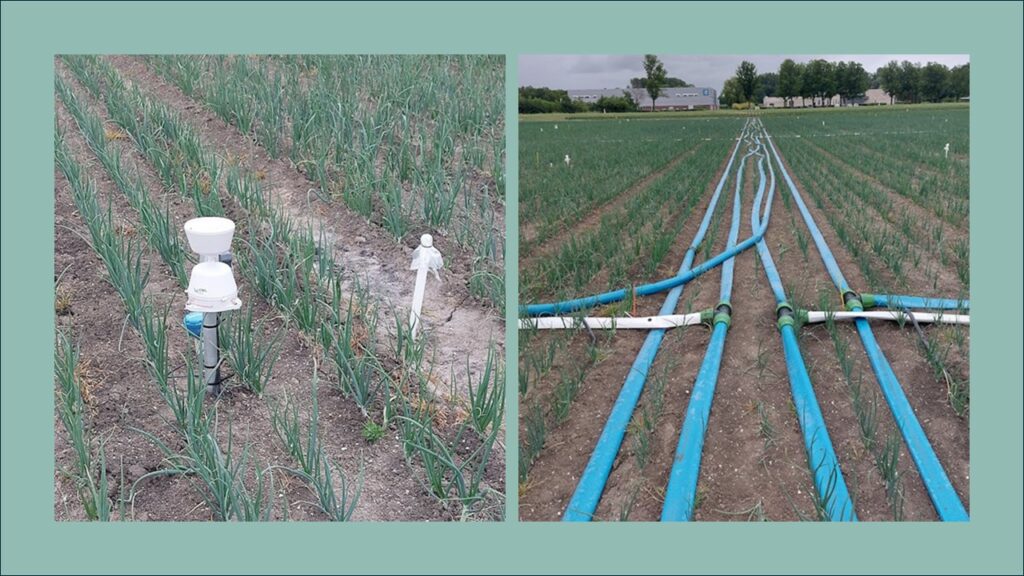
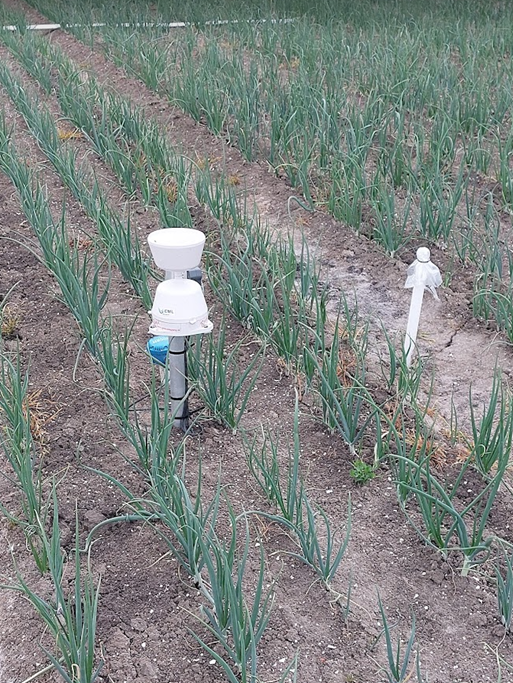
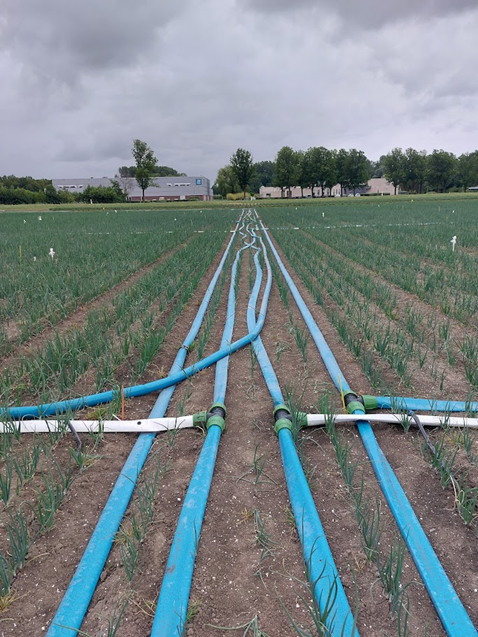
Within the AgriDataValue project, Delphy is currently running two pilots. With the infrastructure development of the AgriDataValue platform nearing completion, the focus has now shifted towards these agricultural pilots. The first pilot involves a 13-hectare plot of onions in the province of Flevoland, where a trial on drip irrigation is being conducted.
While drip irrigation has been used for years in perennial fruit crops in the Netherlands, it is only in recent years that it has been applied to annual arable crops. In this trial, Delphy is experimenting with five distinct treatments, each replicated four times. A variety of data is being collected, including measurements from soil sensors and rain gauges. Additionally, yield data from the harvest will also be analyzed. This pilot is aligned with a key use case in the AgriDataValue project: the reduction of irrigation water usage.
The goal is to share the collected data with the AgriDataValue platform and enrich this dataset with additional publicly available data, such as local weather conditions. The critical question arises: what can Artificial Intelligence (AI) and Machine Learning (ML) models do with this data? Can these technologies predict future outcomes or, even more ambitiously, eventually replace soil sensors altogether?
Soil sensors, while valuable, present several challenges. They are expensive, installation and calibration require significant attention, the connection might not always be reliable, and the accuracy of their readings can be uncertain. Moreover, determining the optimal number of sensors for reliable data is still a subject of debate. Is it ever possible to place enough sensors to get a complete picture of soil conditions?
Currently, irrigation decisions made without soil sensor data often rely on growers’ intuition. In the Netherlands, even when soil sensors are available, farmers typically interpret the data themselves and make their own decisions about if and how much to irrigate. This method poses a real risk of unnecessary water use, which is particularly concerning as access to fresh water in some parts of the country becomes increasingly scarce.
The AgriDataValue project aims to contribute to more efficient water usage, potentially eliminating the need for soil sensors in the future. We eagerly await the first results and the insights that AI and Machine Learning models might provide in optimizing irrigation practices. Could this be the breakthrough that helps farmers navigate the challenges of water scarcity in the coming years?
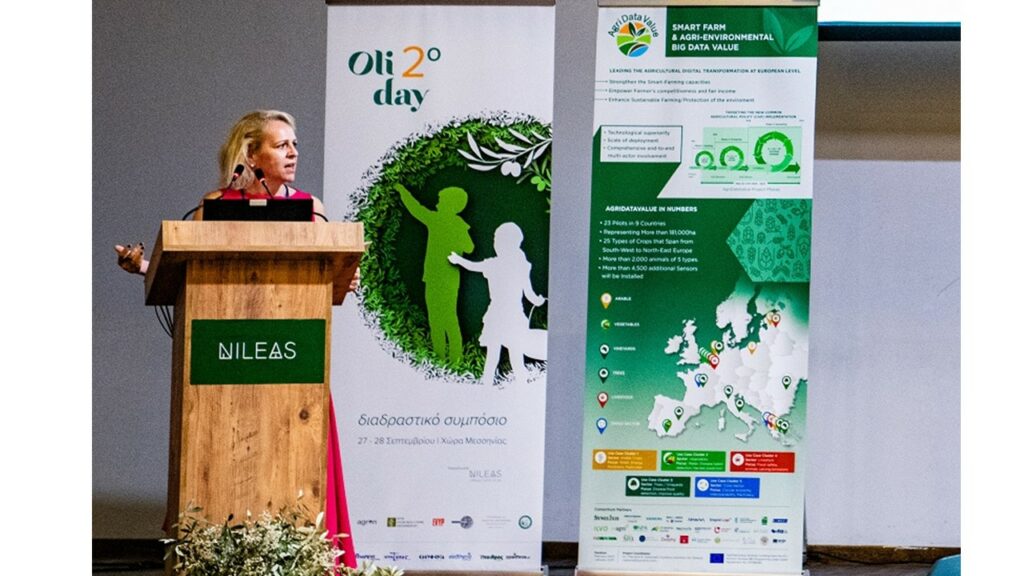
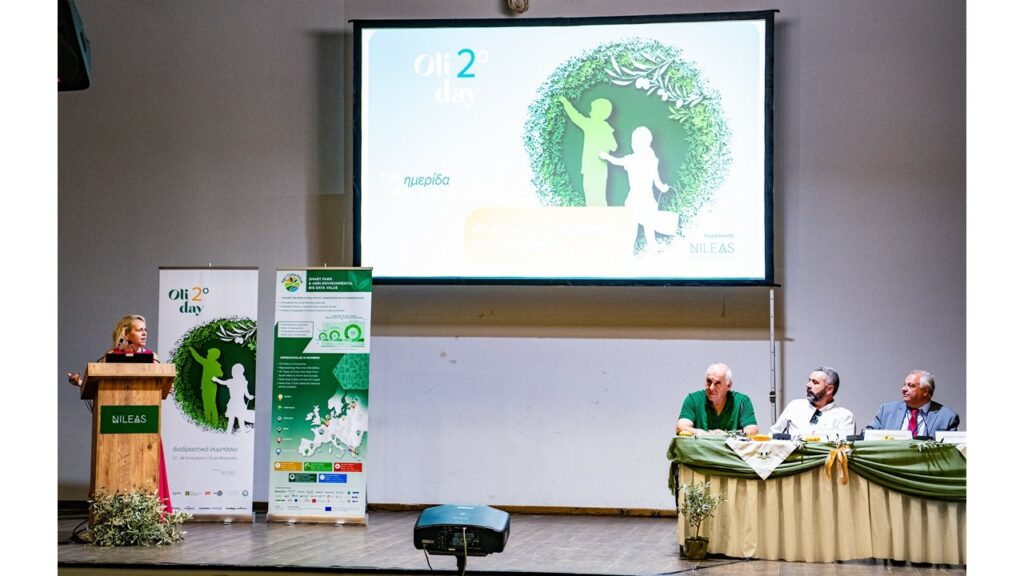
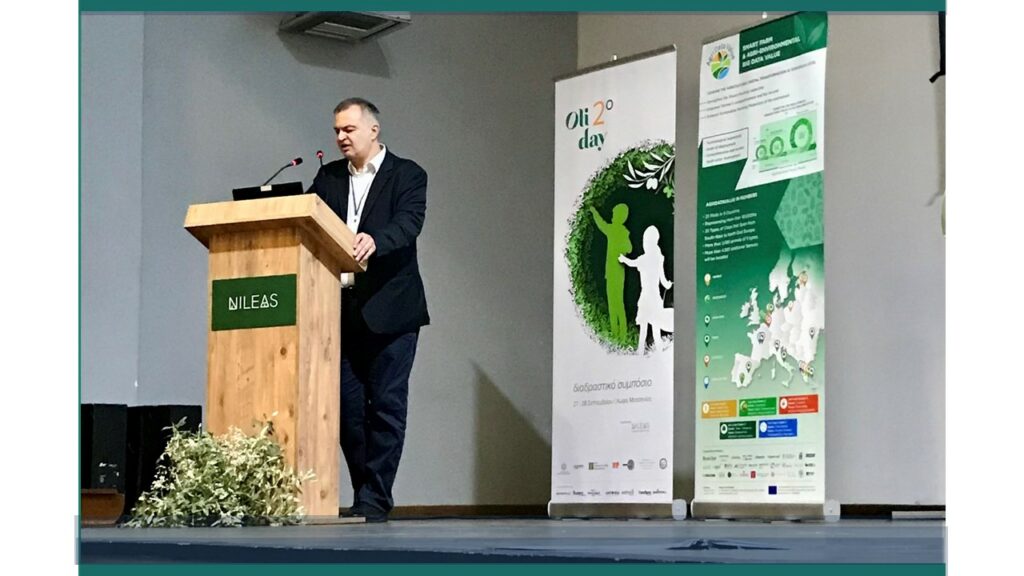
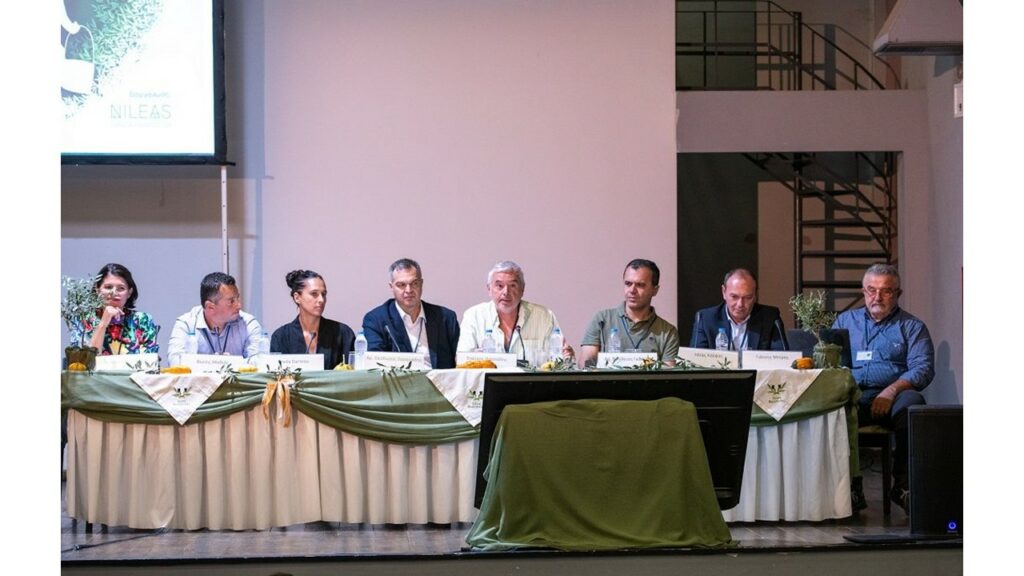
On Saturday, September 28, 2024, NILEAS Producers’ Group hosted the Conference “The future of traditional olive cultivation” as part of the “2nd Oliday: Interactive Symposium”. The conference took place in Chora Messinias, Greece.
Vicky Inglezou, project manager of NILEAS Producers’ Group, presented the AgriDataValue Project which aims to revolutionize the agricultural industry through advanced technology. The project coordinator of AgriDataValue, Dr. Theodore Zahariadis, also attended the event and delivered a presentation emphasizing the crucial role of technology in addressing the challenges of sustainable farming and resource conservation.
The AgriDataValue project (Horizon Europe) in which NILEAS participates, applies a comprehensive and multidisciplinary approach to address complex issues, including smart farming. The integration of IoT, geospatial data, machine learning, and blockchain is strategically aimed at significantly improving agricultural efficiency. The project is dedicated to creating cutting-edge tools for data collection, analysis, and informed decision-making in the agricultural domain. Through IoT sensors, satellite imagery, and drones, AgriDataValue enables precise real-time monitoring and management of crops, water resources, and livestock. She pointed out that it is crucial to ensure the effective dissemination of this pioneering project to communicate its impactful outcomes, groundbreaking findings, and innovative solutions to stakeholders. The dissemination efforts will encompass high-impact conferences, targeted workshops, authoritative publications, and dynamic online platforms; all aimed at fostering knowledge exchange and engaging diverse audiences. The project’s communication objectives are unequivocal: to build a resolute and enduring collective awareness of the pivotal role and vast potential of smart farming and agri-environmental monitoring in driving the achievement of Sustainable Development Goals (SDGs).

One of the AgriDataValue project pilots is located at a dairy barn in Vecauce, Latvia. Vecauce is a multidisciplinary farm that combines student training, research, crop farming, dairy farming, biogas production, fruit growing, forestry, and has developed one of the largest and most productive herds of dairy cattle in Latvia. The barn houses more than 1,000 cows. In this dairy barn, various research trials are conducted on topics such as feed components and efficiency, enteric emissions, colostrum quality, youngstock management, and more. The collected data includes individual cow identification, general cow information, milk production, milk quality, and other related metrics. Production data is supplemented by feed data, milk data (including production, fat, protein, lactose, and urea), animal weight, and other parameters.
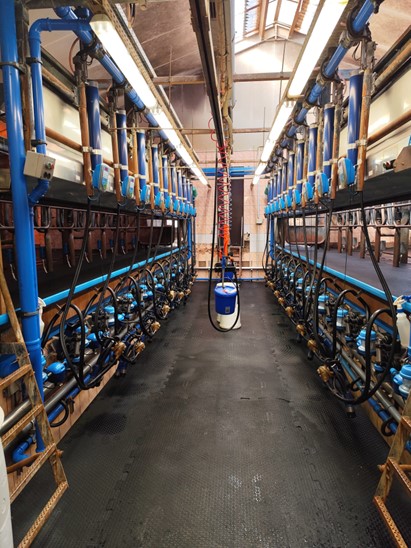
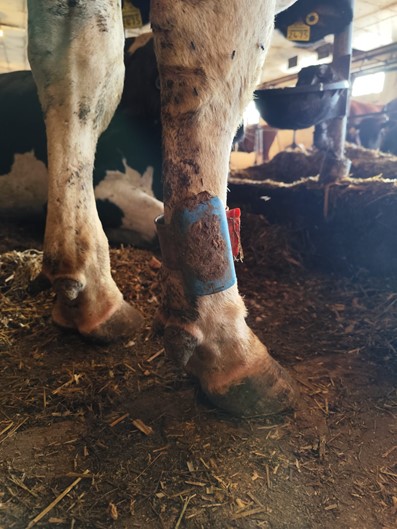
Several systems that generate relevant data are installed in the dairy barn. Most of these systems were already in place before the start of the AgriDataValue project and are part of the general barn infrastructure; however, they still provide essential data needed for the project’s modelling tasks. One of the key systems is Afimilk (Figure 1), which is used to monitor milk parameters and identify milk content. This data is further utilized to assess and analyze cow health. Additionally, pedometers are used to monitor animal activity and behavior (Figure 2).
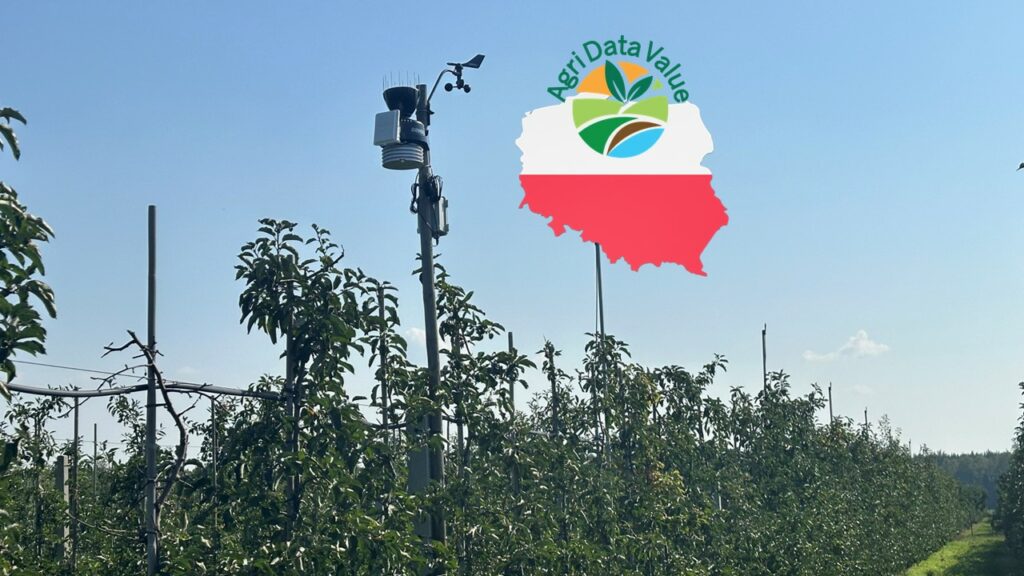
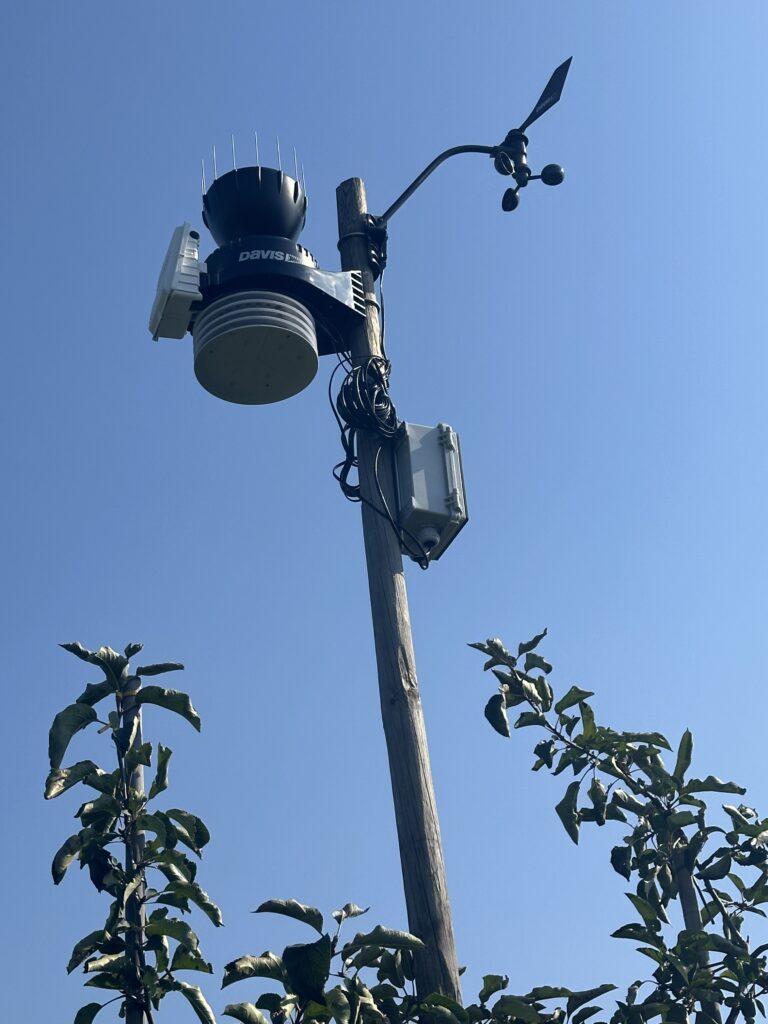
On a sunny day, in the middle of harvest season, the SynField smart agriculture system was installed at Wiatrowy Sad, a 17-hectare apple orchard in Poland’s Lodz Heights Landscape Park – one of AgriDataValue project pilot. The system includes a SynField X5 head node, a meteorological station, and soil sensors. It provides real-time environmental data on ambient temperature, humidity, both wind intensity and direction, rainfall, as well as soil moisture and temperature. This data-driven approach supports precision agriculture, optimizing orchard management for production efficiency and market demands. A step forward in sustainable farming!
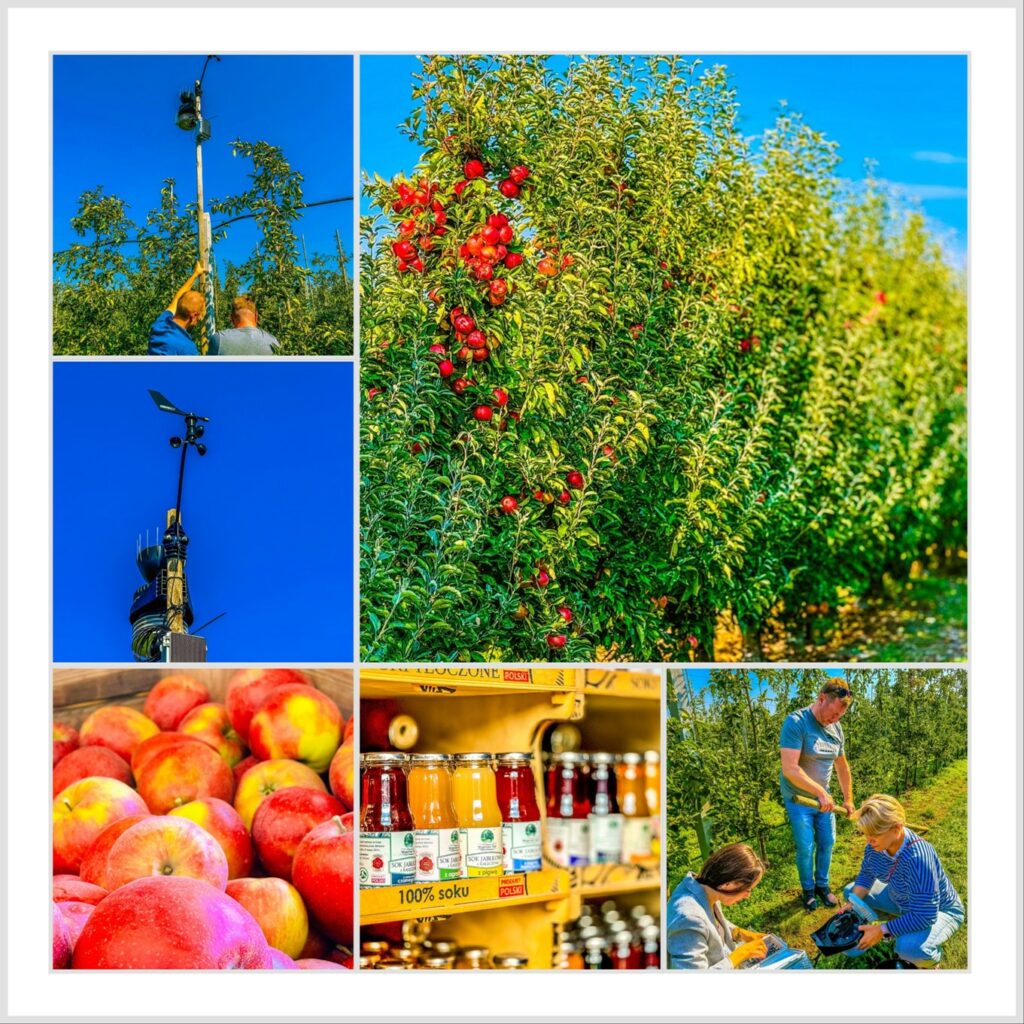
Circular economy in agriculture and livestock aims to minimize waste, maximize resource efficiency, and promote sustainability throughout the production process. Instead of the traditional linear model of “take, make, dispose,” a circular approach focuses on closing the loop by reusing, recycling, and regenerating resources. By implementing circular economy principles, agricultural and livestock systems can become more resilient, reduce environmental impact, and contribute to long-term sustainability. All AgriDataValue Pilots and Use Cases have been selected to create significant impact in the agriculture domain. The project will experiment with a unique case of combining multiple pilots in a single circular economy case. It will be realized by TBA, member of Agrinio Union, one of the largest agricultural cooperatives in Greece with more than 20.000 members.
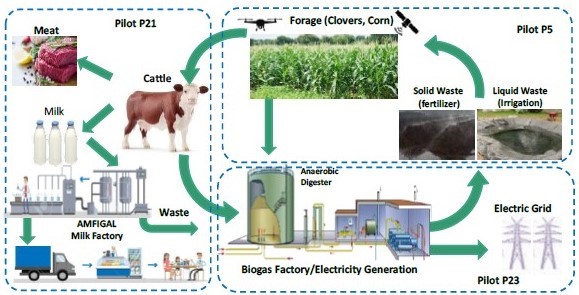
TBA is a pioneering Greek company in biological livestock (cattle “Limousin”) breeding and circular economy, core member of the Agrinio Union, one of the largest agricultural cooperatives in Greece with more than 20.000 members. With in the AgriDataValue circular economy use case, the project will experiment and model the correlation of IoT data, ranging from forage crop production, cattle feed, welfare and manure handling, biogas generation, electricity production and utilization of solid and liquid waste in biological fertilization and irrigation of crops including forage). Within the project pilot activities, a variety of IoT sensors will be utilized to improve the forage crop production and inspect climate change. The yield in turn will be used to feed cattle in the AgriDataValue pilot. Various farm and wearable sensors will be used to monitor animals’ welfare, activity, feed, calving and emissions. Manure, dairy factory waste and crop waste (including local olive mill waste) will be used to feed two anaerobic digesters to produce biogas, which is then utilized by an 5MW electricity generator. The anaerobic digesters waste will be utilized as organic fertilizers in the form of compost (solid waste) and irrigation water (liquid waste). AgriDataValue aims to create significant impact, as it will contribute to reducing air, water and soil pollution, via tools to optimize irrigation, fertilisers and pesticides moving towards a circular economy and improving waste management.
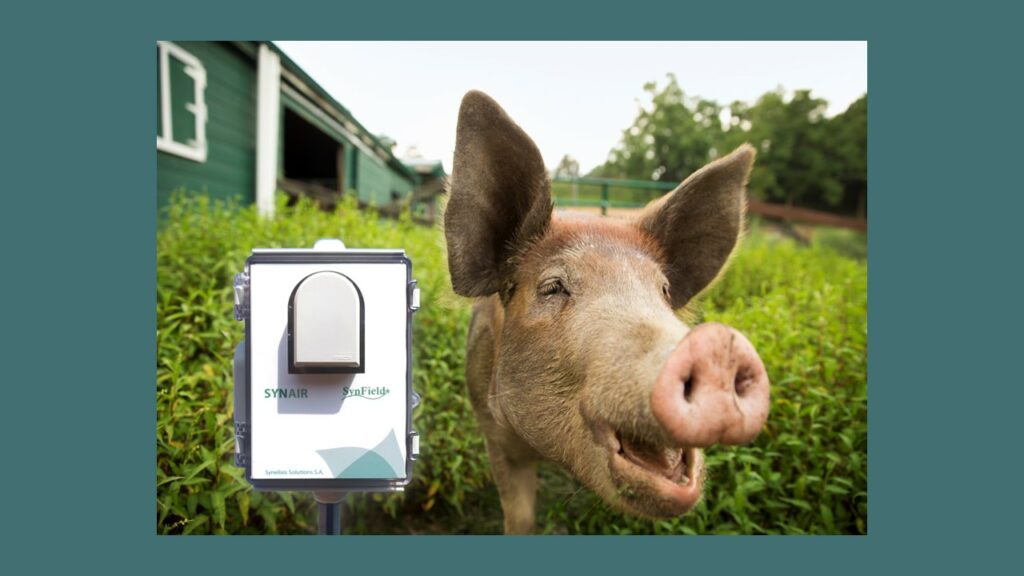
New SynField sensors have arrived at the ILVO AgriDataValue pilots! ILVO will be installing two new sensor devices to monitor emissions from animal barns. In practice, one sensor will be installed in the ILVO research pig barn, the other will be placed in the ILVO dairy research barn, both located near Ghent in Flanders, Belgium. By installing these sensors, new data streams will be created to capture the emissions of dairy and pig barns, thus creating new possibilities for monitoring emissions. Amongst the available parameters is information on the carbon dioxide and ammonia concentration, the air temperature and humidity, and the fine particulate matter in the air. The gathered data will be linked to other information about the barns, the animals, and their diets in order to develop new intelligent models that can predict emission based on the available farm data, and which can help pinpoint which factors affect emission levels, and hence how they can be reduced. At the same time, monitoring emissions over time will become possible, and an extensive set of data will be gathered in the next few years.
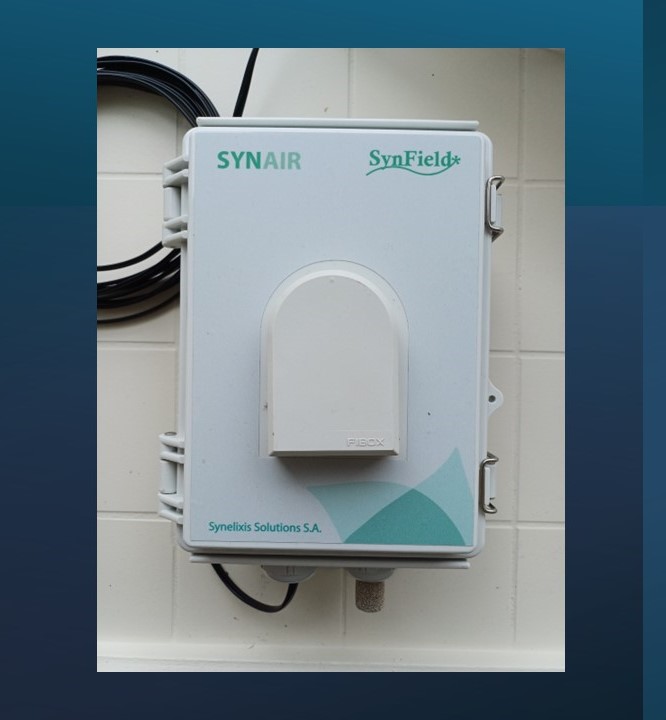
At this moment, ILVO is looking to find the most ideal location for the sensors within each barn, and how to practically install them. Once the installation has been performed, data gathering will start immediately.
As such, AgriDataValue pilots 19 and 22 hope to start gathering data from these SynField soon, and we’re excited to find out what future information and interesting news this new development will bring. Watch out for our next news posts!
Blockchain technology rose to the world’s attention in relation to cryptocurrencies, but has now permeated various sectors, including process and data tracking and certification. This article provides a short overview of the concept of Distributed Ledger Technology (DLT), explains the differences between public and private blockchains outlining some different blockchain technologies applied in the AgriDataValue project, and describes several use cases applicable in the agri-environmental context, some of which directly supported by the AgriDataValue platform.
The Distributed Ledger Technology (DLT)
To better understand what it is meant by Distributed Ledger Technology (DLT), let’s start from the original meaning of ledger. The ledger, literally “Master Book”, implements the concept of an archive where transactions were manually recorded by an accountant. When digitalization came, physical ledgers were replaced by electronic ones which were realized with the same centralization logic of the paper-based systems: there was again someone responsible for the data entry of information (originally analog), someone who managed the systems, and someone who centrally managed the extraction of data or their processing. Across the subsequent evolutions of computing and network technology, the basic processes stood unchanged, although certain steps and controls and verifications were simplified and sped up. Essentially, though, data has continued to be conceived as analog and managed with the same type of paradigm, even with digital tools.
With the invention and diffusion of blockchain technologies, digital ledgers evolved into what is nowadays referred as Distributed Ledger Technology (DLT) thanks mainly to the simultaneous availability of two enabling factors: advanced cryptography techniques and the development of powerful algorithms for data control and verification. The added value of DLT stands in providing the users with the ability to access an historical and immutable network-based memory in order to write and read records of transactions and exchanges. The transactions, once they are written down, are immutable; they can be verified at any time, but they cannot be altered of deleted.
In addition to that the DLT supports the execution of smart contracts. The smart contract is a computer program stored and executed directly on the ledger that makes sure, essentially, that every programmed consequence of a transaction, actually happen with no need of a supervising authority.
DLTs are based on blockchain technology, a communication protocol between networked systems based on several technological components such as distributed databases, peer-to-peer infrastructures and asymmetric encryption techniques (e.g. public/private key). The blockchain allows the registration of transactions and the execution of smart contracts in a decentralized and generalized way over a network of multiple nodes sharing data with each other. This technology stores data in validated and time-stamped transaction blocks. Each block contains a reference to the previous block in the form of a hash code. In this way a “chain” of information among the blocks in sequential order is built, hence the name “blockchain”. The blocks in their entirety can be considered as the archive of all the transactions happened in time. In other words, the whole history of validated transactions can be reconstructed going back through the chain.
It is important to notice that this structured and shared system allows to trust the validation of a transaction, as the correctness of each piece of information is guaranteed not by a central entity, but by the interaction of all the nodes in the blockchain network, working in a peer-to-peer mode.
As a summary, the blockchain allows read/write access to transaction information, making it:
Blockchain technologies
Below, some highlights on blockchain technologies are reported among those considered at various reprises in the AgriDataValue project.
Ethereum is a popular public blockchain platform for decentralized applications (DApps) and SmartContracts, using Solidity programming language. It supports two consensus mechanisms: PoS (Proof of Stake) and PoA (Proof of Authority). PoS is suitable for permissionless networks, enabling selected peers to act as validators by staking funds, which can be forfeited for violations. PoA, suited for permissioned networks, relies on authorized validators based on identity rather than computational puzzles or staking. PoA is faster and more energy-efficient than PoW, but less decentralized and secure. It uses a limited number of authorized nodes for faster transaction validation and lower energy consumption.
R3 Corda is a private blockchain for enterprises, especially in financial services. It operates on a permissioned network with pre-approved participants. Corda uses a Notary consensus mechanism combining unique consensus and off-ledger transaction verification. The platform ensures consistent data views across nodes while protecting sensitive information. Corda’s smart contracts are written in Kotlin, a popular programming language.
Hyperledger Fabric, developed by the Linux Foundation’s Hyperledger project, is a permissioned enterprise blockchain platform. It features a modular architecture for flexibility and scalability and supports privacy in transactions. Fabric uses the Crash Fault Tolerant (CFT) consensus algorithm called Raft. smart contracts can be written in Go, JavaScript, and Java, supporting private transactions and channels.
An important aspect to be considered talking about blockchain technology is to understand the difference between public and private blockchains. Public blockchains are not related to a particular organization. Everyone on the public internet can join, participate in consensus, and validate transactions. On the reverse, private blockchains are typically set-up by an “owner” organization, who restrict access to authorized participants with defined roles. Public blockchains are moving from energy-intensive Proof of Work (PoW) to scalable, efficient Proof of Stake (PoS), which selects validators based on staked tokens. In private blockchains the usual choice is to use more efficient consensus mechanisms like Practical Byzantine Fault Tolerance (PBFT) or Proof of Authority (PoA), providing faster confirmations in controlled environments. The primary benefit of public blockchains is their extensive node network, enhancing security and decentralization and making manipulation difficult. However, private blockchains, with fewer nodes, face higher risks of collusion and tampering. Public blockchains offer transparency by sharing transaction data openly, which can raise privacy concerns. In contrast, private blockchains restrict data visibility to enhance privacy and control over sensitive information.
An interesting compromise between public and private blockchains is to realize a “hybrid” solution leveraging on both approaches. Basically, a private blockchain is used. Then, in order to ensure immutability, the private blockchain’s “snapshot” (a hash of the private blockchain state) is periodically sent to the public blockchain (Periodic State Anchoring).
In the first implementation of the AgriDataValue platform a private network based on Ethereum with the IBFT (Istanbul Byzantine Fault Tolerant) consensus mechanism was used.
Applicable Use Cases
The AgriDataValue project ambition is to experiment usage of blockchain technologies in various domains. Below some examples.
A typical application of blockchain technology (beyond cryptocurrencies) is the Workflow Certification. This use case targets companies aiming to certify their business process workflows. The objective is to ensure that all participants to a process or a workflow (e.g suppliers, logistics providers, and retailers) adhere to the rules imposed by the process. This is obtained through a smart contract deployed on the blockchain network that defines and regulate the workflow steps and conditions to be met. As the process goes on, each participant updates the smart contract with their progress, and the smart contract assures that relevant conditions are met. This data is stored on the blockchain, offering a transparent and immutable record of the entire process
A particular example of workflow certification is the Supply Chain Tracking use case. It involves companies producing and distributing organic products. The objective is to track the entire supply chain from farm to consumer. This is obtained by using a particular smart contract on the Ethereum blockchain. The contract sets rules for handling and tracking the produce at each supply chain stage. It updates status and verifies conditions like organic certification before moving to the next stage. This system ensures ethical sourcing, sustainability, and efficiency, reducing fraud and errors.
All productions object of the AgriDataValue Pilots are technically suitable to benefit of the platform blockchain solution to implement trusted supply chain tracking.
A more frontier application of the concept of supply chain tracking, also object of study in the AgriDataValue project is the Information Chain Tracking, where the same principles and type of solutions are applied to track the information flows within a digital ecosystem, by registering in the ledger timestamped transactions related to exchange of information between parties.
The AgriDataValue project expects to exploit this feature to realize a mechanism to record the data-transactions happening withing the AgriDataValue user communities (e.g. pilots). Notably those transactions could refer to data shared by farmers with the ADV platform, data that will become available for future usage, for example to train Federated Machine Learning models. This is a way for the platforms to ensure that the value provided by users to the platform itself is duly and permanently registered, also to enable possible future compensation models.