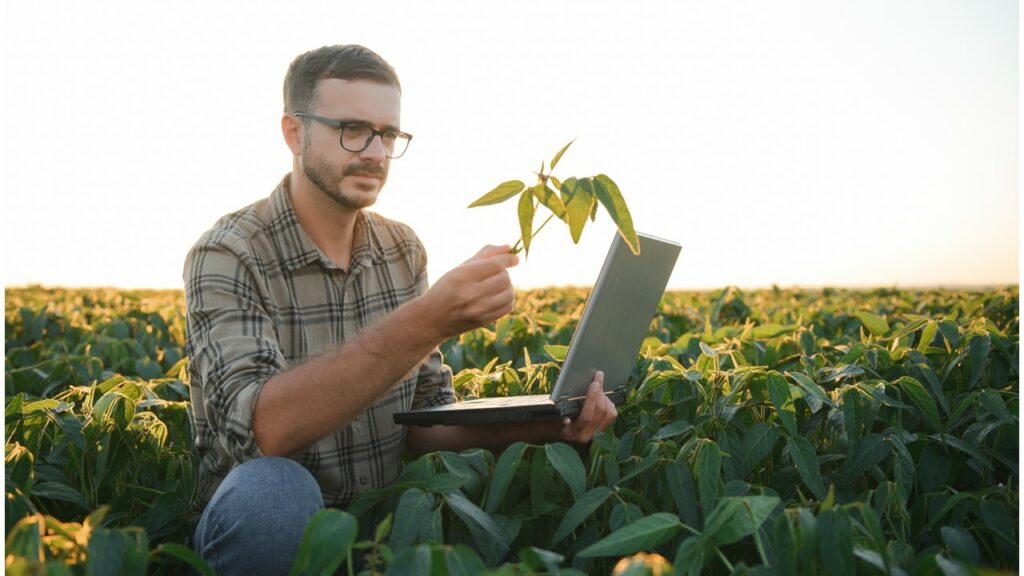
Tecnova Presented AgriDataValue at Infoagro Exhibition 2025

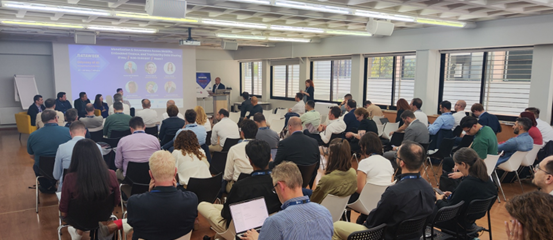
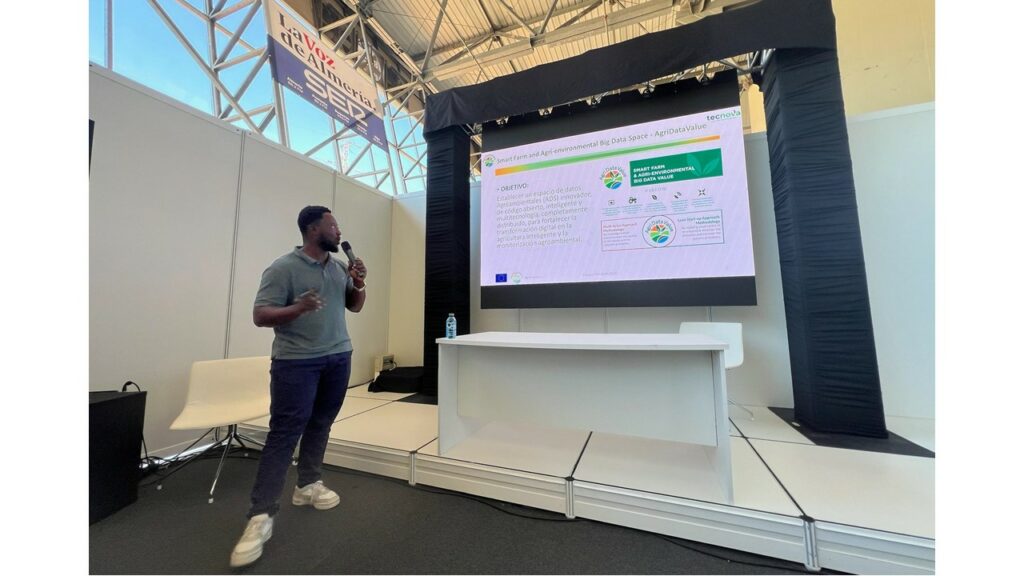
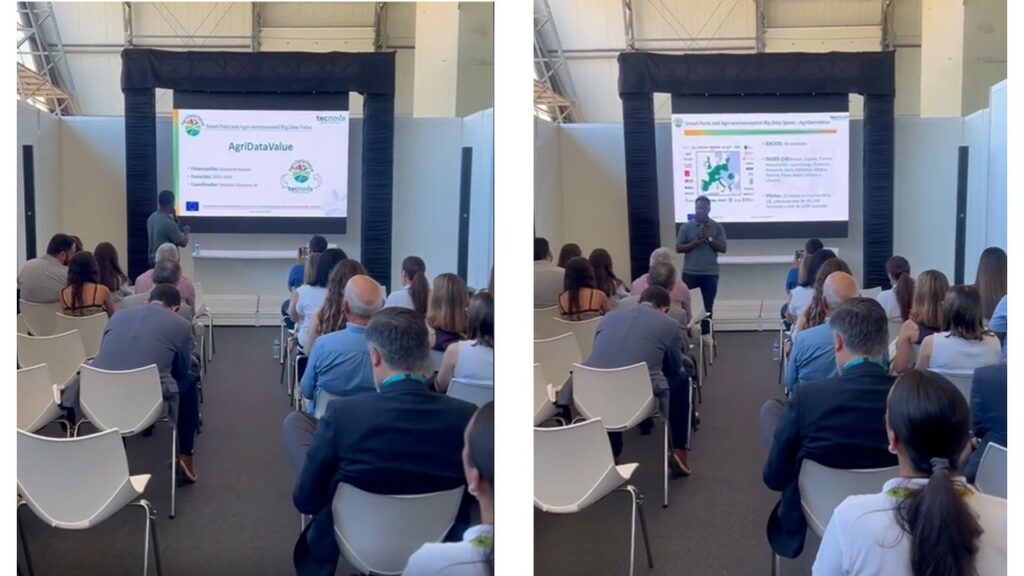
The AgriDataValue project was recently showcased at the Infoagro Exhibition 2025, held from May 21st to 23rd in Almería, Spain. Infoagro is a key international event focused on intensive agricultural production, particularly greenhouse farming. It brings together industry professionals, researchers, and technology providers to explore innovative solutions for the agri-food sector.

Tecnova, presented the AgriDataValue project both at their stand and through a dedicated 7-minute pitch presentation during the exhibition. Attendees had the chance to learn about the project’s objectives, key innovations, and the benefits it offers to the agricultural value chain.

AgriDataValue is working to transform agricultural data into actionable insights, supporting more efficient, sustainable, and informed decision-making across the sector. The exhibition provided an excellent opportunity to engage with stakeholders and share how the project contributes to the digital transformation of European agriculture.

We thank all those who expressed interest in the project and look forward to future opportunities to connect and collaborate.

Read More

AgriDataValue presented at the International Conference “Bioeconomy in Agriculture”

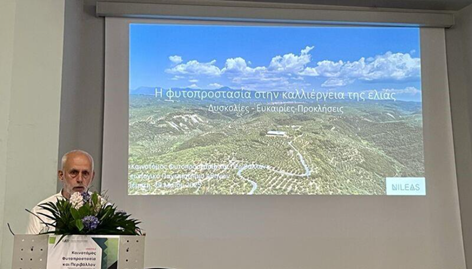
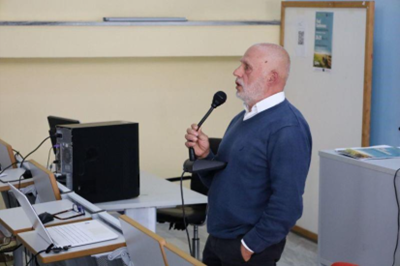
On May 20, 2025, George Kokkinos, President of NILEAS, attended the International Conference on Bioeconomy, organised by the University of Peloponnese. In his presentation, titled “The Contribution of Bioeconomy to the Sustainability of the Messinian Olive-Forest,” he discussed the role of bioeconomy in olive groves and how it can foster resilience under climate change conditions.  

He presented AgriDataValue project and he emphasised technological tools are essential for implementing a successful and efficient bioeconomy in olive groves. The integration of advanced technologies helps improve efficiency, sustainability, and quality across the entire value chain, from cultivation to waste management and product valorisation. The event was attended by more than 100 participants, including farmers, advisors, members of the scientific community and postgraduate students. 

Read More

AgriDataValue at the 2025 Conference on the Vision for Agriculture and Food

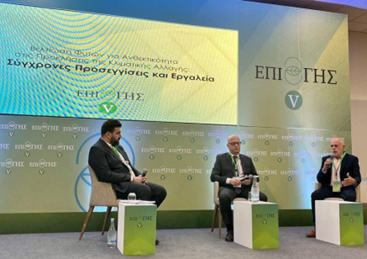
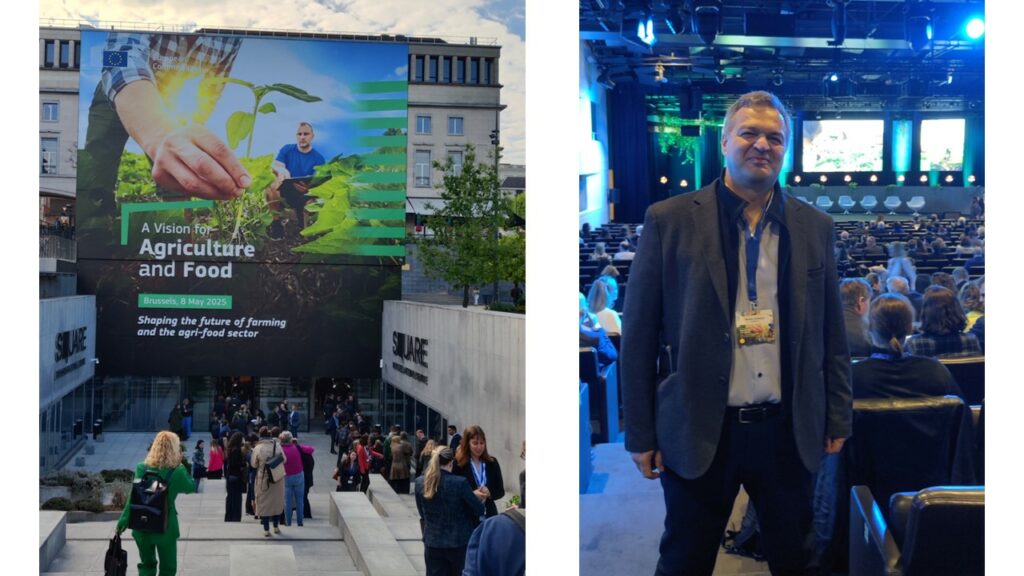
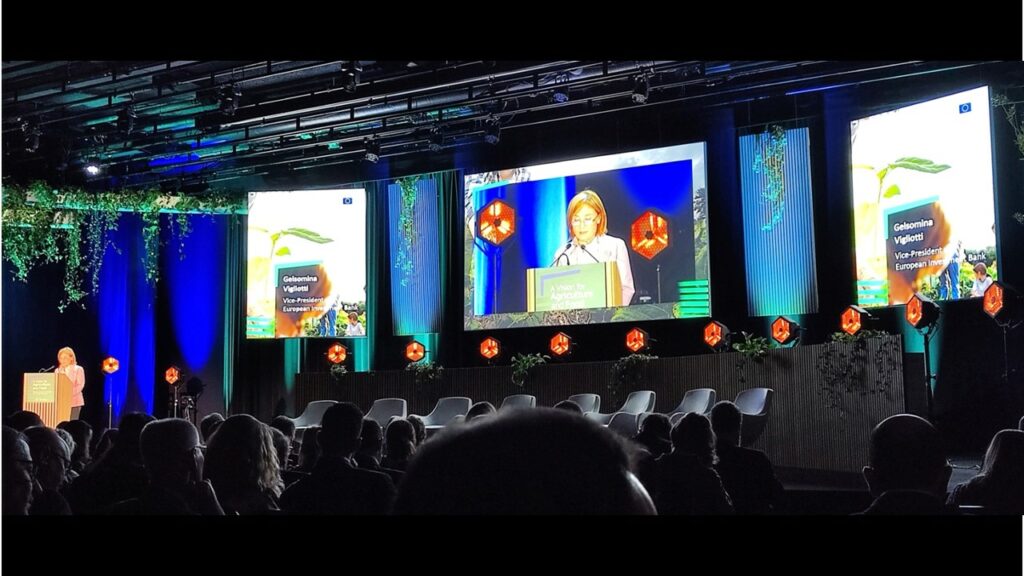
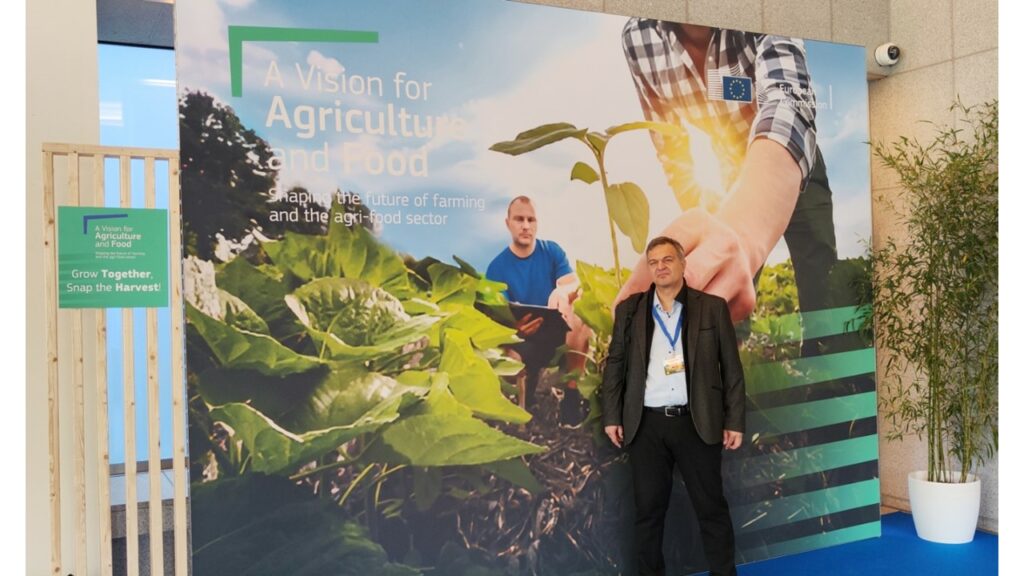
AgriDataValue attended the 2025 Conference on the Vision for Agriculture and Food, held on 8 May 2025 at The Square, Brussels. The project coordinator represented the initiative at this high-level event, which offered a valuable opportunity to strengthen collaboration with other projects and engage directly with stakeholders aligned with a common European agricultural vision.

The conference, themed “Shaping the Future of Farming and the Agri-Food Sector,” brought together a wide range of key actors — including representatives from the European agri-food sector, civil society, rural communities, consumers, think tanks, academia, EU Member States, and Members of the European Parliament (MEPs). The gathering aimed to foster dialogue and encourage meaningful contributions toward a more sustainable, resilient, and attractive agri-food sector for current and future generations.

The event focused on three main objectives:

  • -Continuing engagement and dialogue with stakeholders around the Vision and its roadmap
  • -Collecting feedback on the next steps and key initiatives outlined in the Vision
  • -Discussing the future direction of the Common Agricultural Policy (CAP) beyond 2027

AgriDataValue remains committed to contributing to the ongoing transformation of agriculture and food systems through data-driven innovation and active participation in shaping Europe’s agri-food future.

Read More

Tecnova presents at Infoagro the advances of AgriDataValue in the digitalization of greenhouse crops

Tecnova will participate as an exhibitor at the international fair Infoagro Exhibition, which is held in Almeria on 21st to 23rd of May 2025, one of the key events for the intensive agriculture sector. This meeting brings together companies, technology centres and professionals from the agro-industrial field interested in the application of technologies to optimise production processes. In this context, Tecnova will take the opportunity to present the project and communicate its results.

During the event, the Tecnova team will have its own stand where it will exhibit the AgriDataValue project. A presentation is planned focused on the contribution of the project to the sustainable digitalization of the agri-food sector.

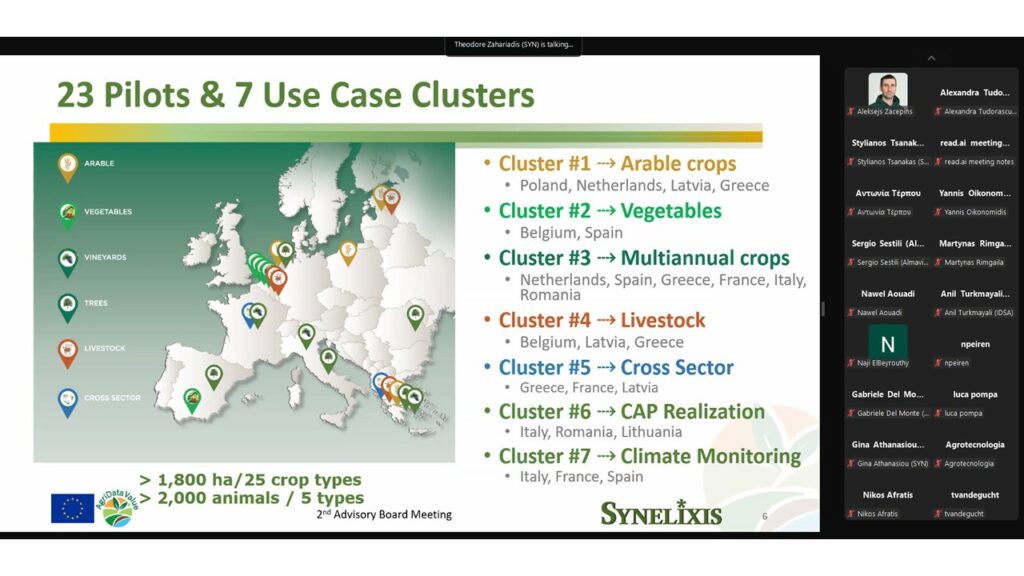
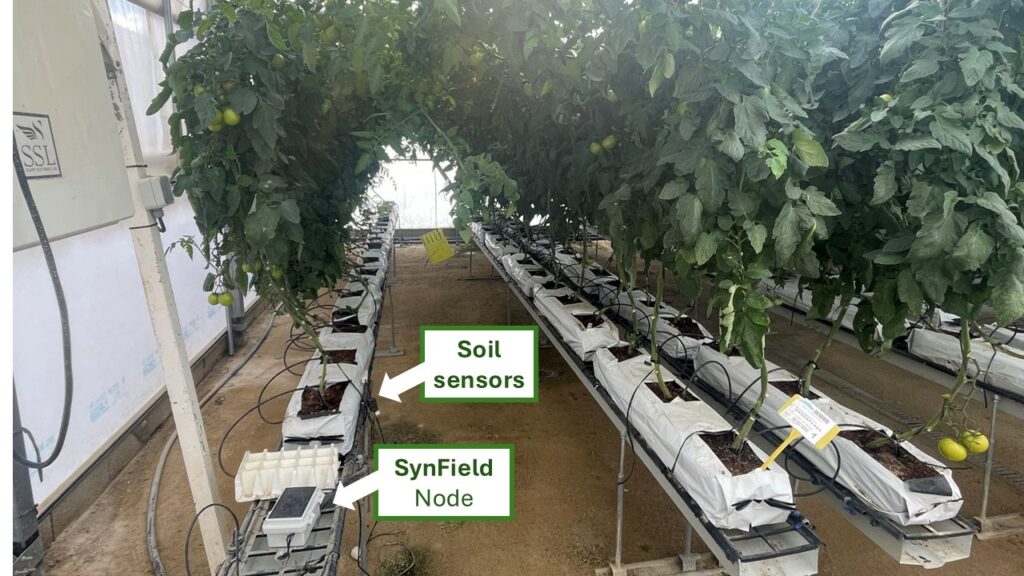
AgriDataValue aims to build a European agri-environmental data space through a distributed architecture that allows heterogeneous platforms and sensors to be integrated. Tecnova contributes by validating solutions in real environments, as is the case of the pilot located in its experimental centre in Almeria.

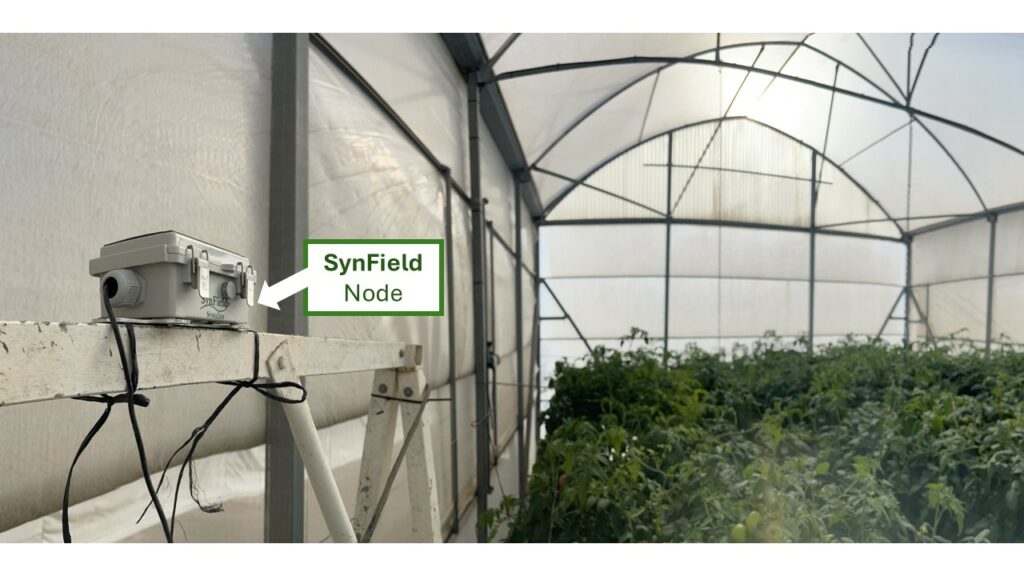
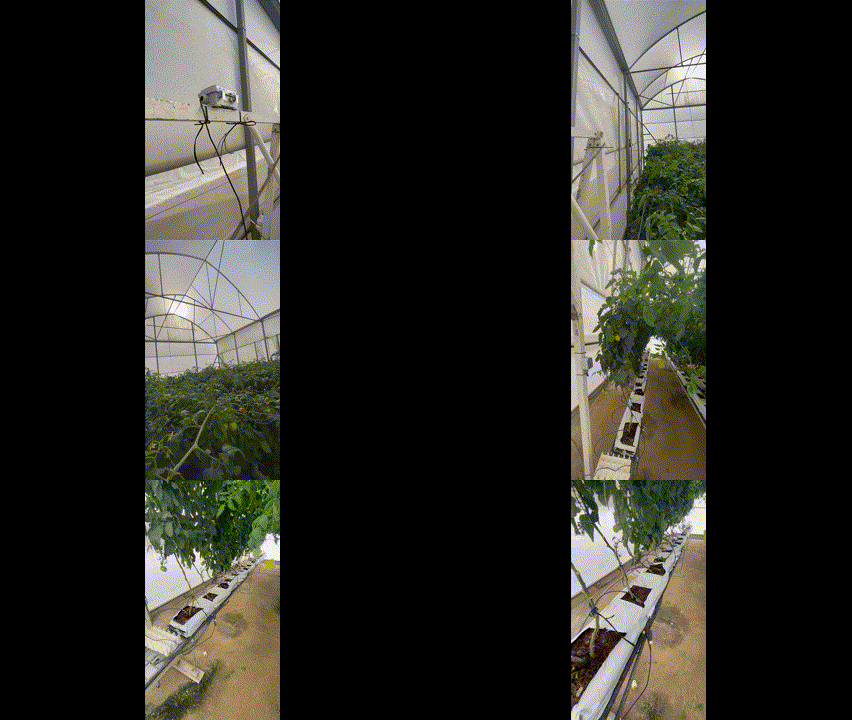
In this pilot, a SynField smart agriculture system has been installed in a greenhouse with hydroponic tomato and cucumber cultivation. This system includes a central weather station and peripheral nodes that collect real-time information on climatic (temperature, humidity, radiation, water pressure) and edaphic (humidity, temperature and soil conductivity) variables.

The data collected is visualized on an intuitive platform that allows technicians and farmers to monitor the crop environment and make informed decisions about irrigation and fertigation. The data are used within the framework of the project to train predictive models that will allow certain agronomic recommendations to be automated.

The medium-term objective is to have an agronomic management model that not only optimises the use of water resources and fertilisers but also increases the profitability of the producer and reduces the environmental impact. This approach is aligned with the objectives sought in AgriDataValue and to which Tecnova actively contributes.

With this action, Tecnova reinforces its commitment to applied innovation and technology transfer, showing at Infoagro how AgriDataValue contributes to digitally transforming the European agri-food sector.

Read More

Advances in Pest Detection with Vision Transformers

The European farming community continues to grapple with a longstanding and formidable challenge: pest infestation. From sprawling maize fields in Spain to the apple orchards of Eastern Europe and the rice paddies of Italy, pests are responsible for substantial agricultural losses annually. According to the European Commission, pests and diseases can reduce crop yields by up to 40%, resulting in billions of euros in economic losses, increased dependency on chemical pesticides, and declining biodiversity. In this context, innovative, data-driven approaches to pest management are not just a necessity—they are a lifeline.


Addressing this pressing issue, the Multimedia and Vision Research Group at Queen Mary University of London has developed a pioneering pest classification model powered by Vision Transformers (ViTs)—a state-of-the-art deep learning architecture that is transforming the landscape of computer vision. This model marks a significant leap in the application of artificial intelligence to precision agriculture, offering farmers across Europe a tool to identify and respond to pest threats more efficiently and sustainably.
Vision Transformers, originally proposed by researchers at Google, differ from traditional convolutional neural networks (CNNs) by leveraging mechanisms known as self-attention. Rather than analyzing visual data in small local patches (as CNNs do), ViTs process the entire image as a sequence of patches, much like how natural language processing models handle text. This allows the model to capture global context at an early stage, resulting in improved performance on complex visual recognition tasks such as pest identification, where subtle inter-class variations can significantly affect outcomes.


The Queen Mary research team trained their model using an extensive dataset comprising over 80,000 images, painstakingly gathered from peer-reviewed literature, open-access agricultural databases, and scientific repositories. The resulting model is capable of detecting and classifying 80 distinct classes of pests that attack key European and global crops such as apple, cashew, cassava, cotton, maize, mango, rice, sugarcane, tomato, and wheat. These crops form the backbone of both smallholder and industrial farming systems, and improved pest detection has the potential to significantly mitigate economic losses.


In addition to these crop-specific pests, the model has been designed to identify broader signs of pest infestation and related agricultural diseases. This includes challenging categories such as weed infestations, brown spot, common rust, flag smut, fruit fly, gray leaf spot, leaf curl, smut, red cotton bug, tungro, and wilt. The inclusion of these classes enhances the model’s utility in real-world agricultural settings, where early signs of disease or infestation often overlap with multiple causes.


One of the most promising aspects of this research is its commitment to accessibility and real-world impact. The trained Vision Transformer model is being integrated into a mobile application specifically designed for use by farmers and agricultural workers. With a simple smartphone camera, users will be able to capture images of suspected pest infestations and receive on-the-spot identification and guidance. This mobile-first approach is particularly valuable in rural and semi-rural areas where access to expert agronomists may be limited.


The potential implications for the European farming community are substantial. With climate change contributing to shifts in pest migration and the emergence of new pathogens, traditional pest control methods are increasingly inadequate. This AI-powered solution empowers farmers to adopt more targeted and timely interventions, reducing the need for indiscriminate pesticide use and helping to protect the health of both crops and ecosystems.
Moreover, by reducing yield loss and input costs, such technologies could contribute to improved food security and economic resilience in European agriculture. For policy makers and stakeholders in the EU’s Common Agricultural Policy (CAP), tools like the pest classification model developed at Queen Mary University represent a critical step toward modern, sustainable farming that leverages digital innovation.


In sum, the Multimedia and Vision Research Group’s work is not just a technological achievement—it is a practical response to one of agriculture’s most urgent threats. By harnessing the power of Vision Transformers, they are delivering intelligent, scalable solutions that promise to reshape pest management in Europe and beyond. As the farming community moves toward a more data-driven future, such research stands at the forefront of digital transformation in agriculture.


This research has been supported in part by the AgriDataValue project, funded by the European Union under the Horizon Europe programme (Grant Agreement No. 101086416). The Multimedia and Vision Research Group (MMV) at Queen Mary University of London, as a project partner, acknowledges the critical role of AgriDataValue in fostering data-driven innovation for sustainable agriculture. The development of the Vision Transformer-based pest classification model aligns with AgriDataValue’s broader goals of enabling smart, interoperable, and AI-enabled agricultural solutions across Europe.
Read More

Poland – A European Leader in Apple Production

Did you know that the apple is the symbol of the current Polish Presidency of the Council of the European Union?

Poland stands at the forefront of apple cultivation in Europe, boasting impressive statistics that highlight its significance in the industry:

• 150,000 hectares of apple orchards make Poland the largest apple-growing country in the EU
• Annual apple production reaches 4 million tonnes
• Over 80,500 orchards, the vast majority of them are family-owned
• 50–70% of the harvest is processed, especially into juices and concentrates.

In 2023, Poland was the second-largest apple exporter in Europe and seventh globally, with 817,000 tonnes of apples valued at nearly €398 million, marking a 32% increase from the previous year. Polish apples go primarily to the markets of EU countries, especially Germany, Romania, Spain, Sweden, the Netherlands and France. Among non-EU countries importing Polish apples are: Egypt, Kazakhstan, India, Saudi Arabia and the United Arab Emirates.

Apple cultivation in Poland has a long and rich tradition – dating back to medieval times, when apple trees were grown in monastery gardens and near royal courts. Over the centuries, apples have become not only an economic driver but also a cultural symbol of Polish agriculture. Today, Poland boasts a remarkable diversity of apple cultivars, with several dozen varieties officially registered. Popular varieties include Idared, Jonagold, Champion, Ligol, Golden Delicious, Red Delicious, Gala, Gloster, Lobo, and Cortland.

As part of the AgriDataValues project, one of our pilots – „Wiatrowy Sad” is a medium-sized, family-owned apple orchard in Poland. With the help of innovative smart farming solutions developed within the project, this orchard is looking forward to increasing production efficiency, reducing input costs, and adapting more effectively to climate and market challenges.

Read More

From cow burps to machine learning models

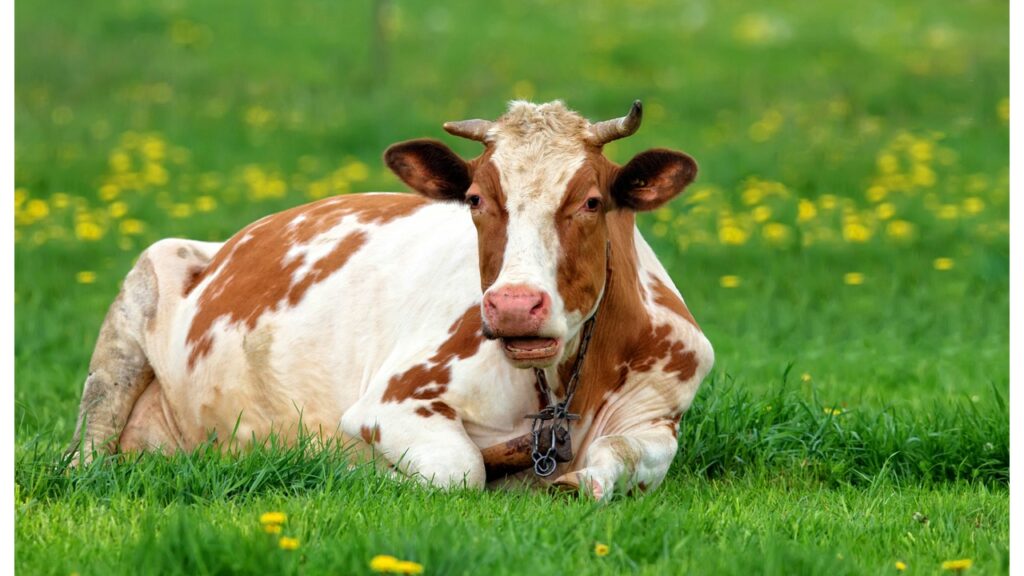
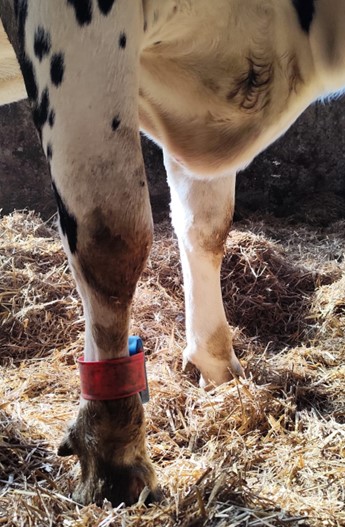
Within the AgriDataValue project, the ILVO pilot sites are constantly gathering data. One use case that ILVO is working on concerns reducing greenhouse gas emissions. In case you don’t know, cows produce a lot of methane. How? By burping it up all the time! Cows’ digestive system is designed to digest fibrous feeds such as grass and other plants, something we as humans can’t.

However, it comes with a side effect: cows are burping methane formed as a by-product of the breakdown of fibers in the rumen. As methane is a strong greenhouse gas, the cattle sector is searching for ways to reduce the amount of methane produced by cows. However, measuring methane production from cows is not an easy task, as it requires sophisticated measuring equipment. Regularly performing measurements on commercial farms to check on methane production and the effect of reduction measures is hence impossible. Therefore, an important question arises: Can we predict methane emissions from information we know?

To answer this question, we need to look at the information we have available. What if we use the cow’s general information, such as her age, lactation stage, parity, milk production, and the nutritive values of the feed she eats? For the human eye it is almost impossible to see connections and patterns between these data and methane emissions data. Therefore, we need external help. Luckily, machine learning models might just be the solution we need.

The AgriDataValue platform currently being developed allows to provide these data to train machine learning models capable of predicting the methane emission of a cow. Of course, to train these models, we do need to know the emission data from the cows in these training data. As such, at the beginning of April, ILVO starts yet another trial to look for more ways to reduce enteric methane emissions in a grazing context, and thus, data gathering continues.

Read More

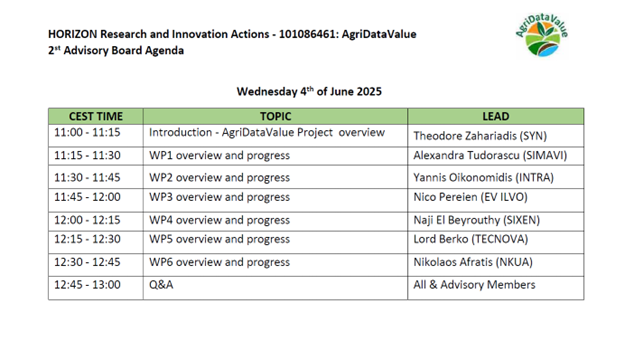
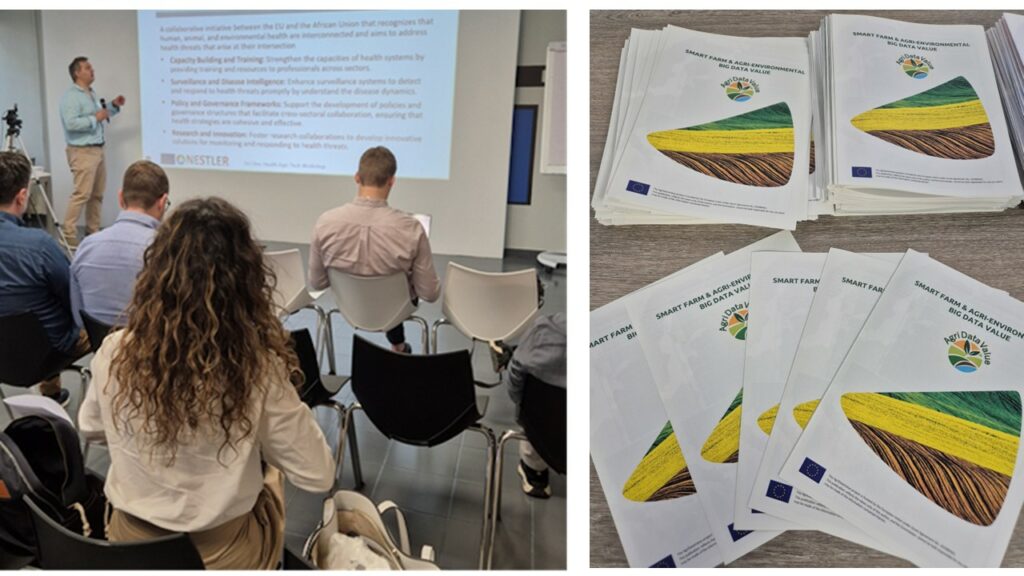
AgriDataValue 5th Plenary Meeting

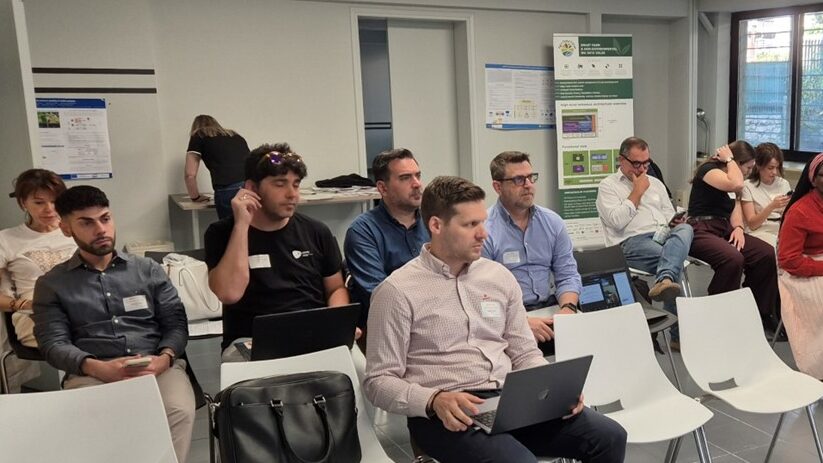
The partners of the AgriDataValue project have gathered to address project related issues in a two-day hybrid meeting. The fifth plenary meeting hosted by Almaviva, in Milan, Italy on the 3rd and 4th of April 2025.


The 2-day plenary meeting featured a number of technical and co-creation sessions, in which a fruitful discussion took place among the partners of the consortium. The consortium reviewed the progress on all work packages and had the chance to address development issues. The partners presented the results achieved so far and the next steps towards the successful delivery of the AgriDataValue project.

Read More

First One-Health Agri-Tech Workshop: Exploring Smart Solutions for a Sustainable Future

Call for Participation

Date: May 27, 2025, 9:00 a.m. to 4:00 p.m. (Greece local time)

Location: Athens, Greece, at OTEAcademy (Address: Pelika & Spartis, Marousi 151 22, 3rd floor)

Organized by: Horizon Europe project NESTLER

The NESTLER EU Project is pleased to invite researchers, industry professionals, and policymakers to its 2025 event in Athens, Greece. This event will serve as a collaborative platform for discussing innovative agricultural technologies and sustainability strategies that align with the Farm to Fork objectives of the European Green Deal.

NESTLER, funded under Horizon Europe, focuses on integrating advanced technologies—such as remote sensing, AI-driven analytics, and circular economy principles—into agri-tech solutions to enhance food security and environmental sustainability. This event aims to bring together stakeholders from relevant EU-funded projects, including AGRIDATAVALUE and GEORGIA, to explore synergies and share best practices.

Key Topics:

  • One-Health Sustainability in Agri-Food Systems: Enhancing food security and environmental health through cross-sectoral collaboration.

  • AI-Driven Agricultural Insights: Machine learning applications for crop monitoring, predictive analytics, and decision support systems.

  • Remote Sensing & IoT for Smart Farming: Integration of satellite data, UAV imagery, and IoT sensors for optimized agricultural practices.

  • Circular Economy in Agriculture: Sustainable insect protein production, frass fertilizer applications, and waste valorization.

  • Resilient Supply Chains & Economic Risk Assessment: Digital tools for monitoring and mitigating supply chain disruptions in agriculture.

  • EU-Africa One-Health Collaboration: Strengthening international partnerships for sustainable and resilient farming practices.

  • Satellite Technologies for Agricultural Monitoring:Leveraging satellite data to enhance crop yield predictions and climate resilience (AGRIDATAVALUE project).

Who Should Attend?

This event is designed for:

  • Researchers and academics in agri-tech and sustainability.

  • Representatives of EU-funded projects with a focus on smart agriculture.

  • Agribusiness professionals and technology providers.

  • Policymakers and regulatory bodies.

  • NGOs and industry stakeholders engaged in food security and circular economy initiatives.

Call for Contributions

Participants are encouraged to submit proposals for short presentations, posters, or panel discussions. Submissions should align with the key themes of the event and present innovative research findings, pilot studies, or technological advancements.

Submission Deadline: March 30, 2025
Notification of Acceptance: April 15, 2025

How to Apply

To submit your contribution, please send an abstract (max. 300 words) to cfp@nestler-project.eu with the subject line “NESTLER Event 2025 Submission”.

Join us in Athens to drive the future of sustainable agri-tech solutions and foster collaboration across European research initiative.

Read More

Enhancing Agricultural Data Models and Semantic Interoperability

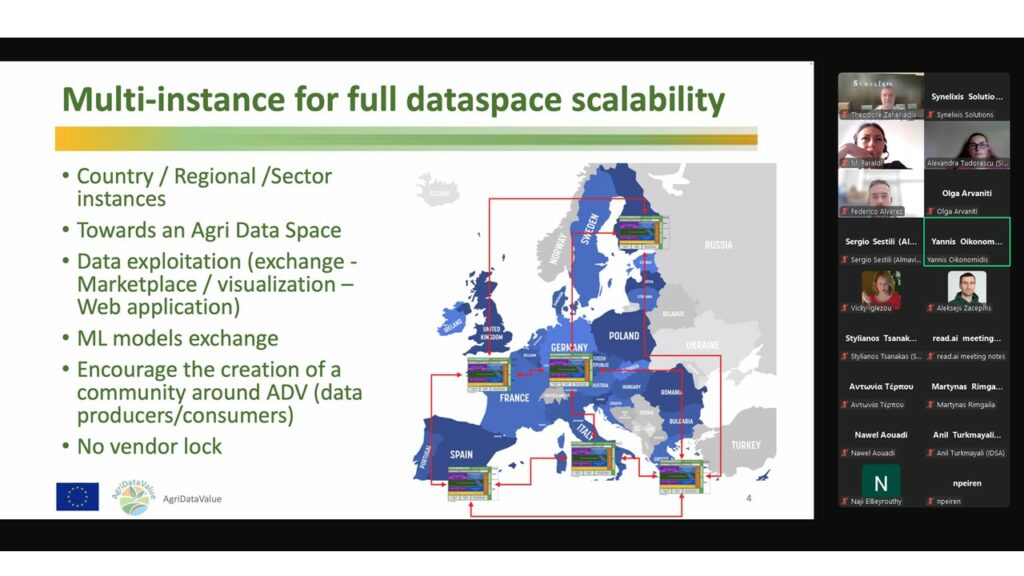
The agricultural sector is facing significant challenges in managing and exchanging data across diverse systems and stakeholders. With the proliferation of sensors, weather data, farming machinery, and other digital tools, there is an increasing need for standardized methods to ensure that agricultural data can be exchanged seamlessly and with a clear, consistent meaning. The AgriDataValue project is at the forefront of tackling this issue, focusing on developing data models and enhancing semantic interoperability within the agriculture domain.

Data Models: The Backbone of Standardized Agricultural Data

In the context of the AgriDataValue project, data models play a crucial role. These models provide a structured and standardized way of organizing agricultural data, making it easier for stakeholders to understand, share, and use. By establishing clear frameworks for data representation, AgriDataValue helps ensure that agricultural data from various sources—ranging from IoT sensors and weather stations to farm management systems—can be efficiently integrated and analyzed (W3C, 2014).
The AgriDataValue platform serves as the central hub in the ecosystem, facilitating seamless data exchange and interoperability between various components. The diagram below illustrates the flow of data and interactions between the AgriDataValue platform and external data sources, such as IoT sensors, weather stations, and farm management systems, as well as the integration of standards like IDS, GAIA-X, AIM, and FIWARE. (Figure 1)

Figure 1: Data Flow and Semantic Interoperability Between Key Components

Semantic Interoperability: Ensuring Consistent Data Meaning

However, it is not enough just to organize data; we also need to ensure that the meaning of the data is preserved and understood across different systems and platforms. This is where semantic interoperability comes into play. Semantic interoperability ensures that data exchanged between different systems is not only compatible but also retains its intended meaning (International Data Spaces Association, 2020).
AgriDataValue achieves this by leveraging the International Data Spaces (IDS) standard and the GAIA-X Trust Framework, both of which provide robust guidelines for data exchange in the agriculture sector (GAIA-X, 2021). By aligning with the Agriculture Information Model (AIM) from the DEMETER project, AgriDataValue strengthens the way data is represented and exchanged within the sector (DEMETER Project, 2020).
The IDS framework and its reference architecture, IDS-RAM, facilitate the integration of various systems and ensure that data can be exchanged without ambiguity. AgriDataValue adheres to the IDS-RAM, which offers a comprehensive view of data structures, concepts, and vocabularies, allowing for consistent semantic interoperability across different platforms (International Data Spaces Association, 2020).

Integrating IDS and AIM for Sector-Specific Solutions

One of the key innovations of the AgriDataValue project is the integration of IDS Information Model and the Agriculture Information Model (AIM). The IDS model is domain-agnostic, providing a general framework that can be applied to a wide range of industries, while AIM is specifically designed to address the unique needs of the agriculture sector (DEMETER Project, 2020).
This integration allows AgriDataValue to provide both broad industry-wide data structures and domain-specific agricultural data elements. For example, while the IDS Information Model includes concepts such as data assets, contracts, and participants, the AIM brings in agricultural-specific elements like AgriParcel, Crop, Intervention, and Pest (W3C, 2012). This combination ensures that AgriDataValue can cater to the specific needs of the agricultural industry while remaining adaptable to cross-industry applications (FIWARE Foundation, 2020).
The Agriculture Information Model (AIM), developed under the DEMETER project, is a comprehensive framework designed to facilitate semantic interoperability in agriculture. The model is publicly accessible and available under the Creative Commons Attribution 4.0 License, which promotes open and transparent data exchange (DEMETER Project, 2020). AIM is structured into several modules, each addressing specific agricultural domains like crop management, animal husbandry, and intervention systems (W3C, 2014).
These modules are represented in standard OWL (Ontology Web Language) and RDF (Resource Description Framework) formats, ensuring compatibility with other data models and facilitating integration with various systems across the agriculture sector (W3C, 2012).

Enhancing Data Sovereignty and Security with GAIA-X

Another key element of the AgriDataValue project is its commitment to data sovereignty, security, and privacy. The GAIA-X Trust Framework plays a central role in this regard. By adhering to GAIA-X’s technical and organizational guidelines, AgriDataValue ensures that agricultural data is handled securely, preserving user privacy and complying with data protection regulations (GAIA-X, 2021).
This focus on trust and data security is essential for fostering confidence among data providers and consumers in the AgriDataValue ecosystem. The project implements mechanisms such as data anonymization and access control, ensuring that sensitive agricultural data is protected while still enabling meaningful insights and analysis (International Data Spaces Association, 2020).

The Road Ahead: Extending and Evolving the AgriDataValue Model

As the AgriDataValue project progresses, it remains focused on creating a flexible, extensible data model. This model is designed to evolve as new technologies, data sources, and user needs emerge within the agricultural sector (FIWARE Foundation, 2020).
In the coming stages, AgriDataValue plans to expand its semantic interoperability mechanisms by integrating other data models and frameworks. These include FIWARE AgriFood Data Model, which further enhances interoperability in the agri-food sector, and other industry-specific vocabularies that will continue to improve the integration of agricultural data (DEMETER Project, 2020).
The integration of such models will ensure that AgriDataValue can support the dynamic, evolving nature of agriculture and continue to provide value to stakeholders in the sector. Whether it’s enhancing precision farming, improving resource management, or supporting decision-making at the policy level, AgriDataValue is well-positioned to drive the future of agricultural data interoperability (Atzori et al., 2017).
The diagram below illustrates the flow of data from external sources such as IoT sensors, weather stations, and farm management systems, through data transformation and standardization, to the AgriDataValue platform, and finally to end-users like farmers and policymakers. This process ensures that agricultural data is standardized and integrated for actionable insights and effective decision-making. (Figure 2)

Figure 2: Data Flow Between Systems: Collection, Transformation, and Final Consumption

Conclusion

The AgriDataValue project stands as a key initiative in promoting data interoperability in the agricultural sector. By combining robust data models, semantic interoperability frameworks, and a commitment to data security, AgriDataValue is helping to pave the way for more efficient, transparent, and data-driven agricultural practices. As the project continues to grow, its impact on the sector will only become more profound, enabling farmers, policymakers, and businesses to make informed, data-driven decisions for a sustainable future (Stojanovic & Milinkovic, 2019).

References

1) DEMETER Project. (2020). Agriculture Information Model (AIM) Overview. Retrieved from https://www.demeter-h2020.eu
2) GAIA-X. (2021). GAIA-X Trust Framework. Retrieved from https://www.gaia-x.eu
3) FIWARE Foundation. (2020). FIWARE AgriFood Data Model. Retrieved from https://www.fiware.org
4) W3C. (2014). RDF 1.1 Primer. W3C Recommendation. Retrieved from https://www.w3.org/TR/rdf11-primer/
5) W3C. (2012). OWL 2 Web Ontology Language Document Overview. W3C Recommendation. Retrieved from https://www.w3.org/TR/owl2-overview/
6) Atzori, L., Iera, A., & Morabito, G. (2017). The Internet of Things: A survey. Computer Networks, 54(15), 2787-2805. https://doi.org/10.1016/j.comnet.2010.05.009
7) Stojanovic, J., & Milinkovic, D. (2019). Standards and Frameworks for Agricultural Data Integration. Sensors, 19(2), 289. https://doi.org/10.3390/s19020289
8) International Data Spaces Association. (2020). International Data Spaces Reference Architecture Model (IDS-RAM). Retrieved from https://www.internationaldataspaces.org

Read More